National Coming Out Day – October 11
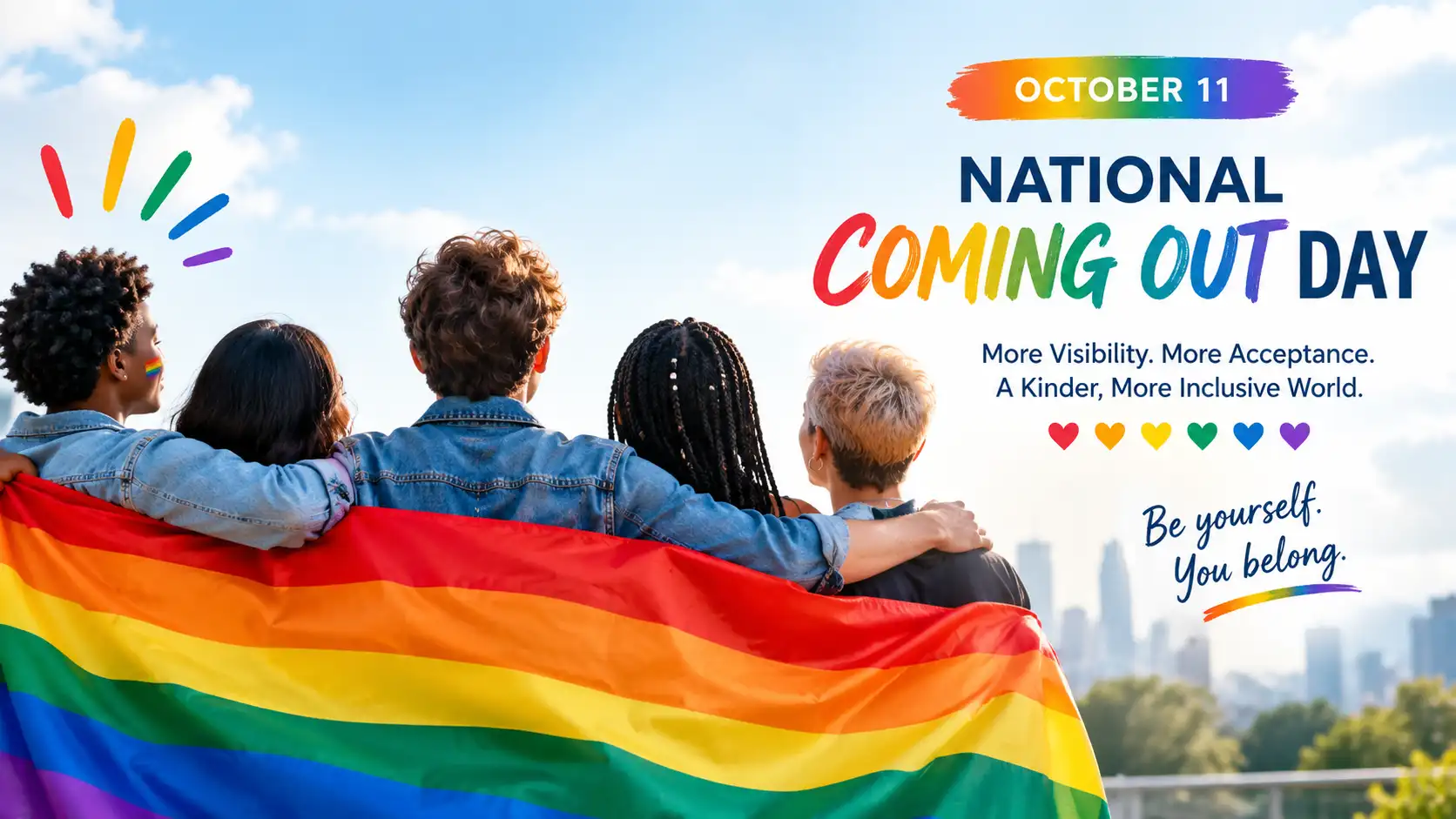
National Coming Out Day is observed every year on October 11. It is a day that recognizes LGBTQ+ visibility and encourages understanding, acceptance, respect, and support for people who choose to share their sexual orientation or gender identity with others.
Coming out is a personal experience, and there is no single way or correct time for someone to do it. For some people, sharing their identity with family, friends, colleagues, or their wider community can be an important and positive step. For others, coming out may involve difficult circumstances or safety concerns. National Coming Out Day therefore also emphasizes the importance of creating environments where people can make personal decisions without pressure.
When Is National Coming Out Day?
National Coming Out Day is celebrated every year on October 11.
In 2026, National Coming Out Day falls on Sunday, October 11.
The observance takes place during October, which is also recognized as LGBTQ+ History Month in the United States. October 11 has become an important date for recognizing LGBTQ+ people, sharing personal stories, and encouraging supportive communities.
What Is National Coming Out Day?
National Coming Out Day is an annual LGBTQ+ awareness and civil rights observance focused on visibility and acceptance. It recognizes LGBTQ+ people who are open about their identities and encourages allies to create respectful and supportive communities.
The phrase “coming out” generally refers to the process of sharing one's sexual orientation or gender identity with other people. This can happen with a close friend, family member, colleague, classmate, or another trusted person. For many people, coming out is not a single event but an ongoing personal process.
The purpose of National Coming Out Day is not to pressure anyone to come out. Instead, it provides an opportunity to recognize the courage of people who share their identities, learn about LGBTQ+ experiences, and encourage greater understanding.
When Did National Coming Out Day Start?
The first National Coming Out Day was observed on October 11, 1988. It was organized by LGBTQ+ activists Jean O'Leary and Dr. Robert Eichberg and was connected to the first anniversary of the 1987 National March on Washington for Lesbian and Gay Rights.
The organizers believed that greater visibility could help challenge stigma and encourage people to understand LGBTQ+ lives and experiences. The observance subsequently became an annual opportunity to recognize LGBTQ+ visibility and support people who choose to live openly.
The Human Rights Campaign notes that the National Coming Out Day organization later merged with the Human Rights Campaign in 1993. The organization also established the National Coming Out Project in 1996 to provide resources and information related to the coming-out journey.
Why Is National Coming Out Day Important?
National Coming Out Day is important because visibility can help people better understand the experiences of LGBTQ+ individuals. Personal stories can challenge stereotypes, encourage conversations, and help families, friends, schools, and workplaces become more welcoming.
For someone who is considering coming out, knowing that supportive people and communities exist can also be meaningful. However, coming out should always be a personal decision. A person's safety, financial circumstances, living situation, family environment, workplace, and emotional well-being can all affect whether and when they feel comfortable sharing their identity.
The day also reminds allies that support does not have to be complicated. Listening respectfully, avoiding assumptions, using someone's stated name and pronouns, and treating LGBTQ+ people with dignity can all contribute to a more inclusive environment.
How Is National Coming Out Day Observed?
People and organizations observe National Coming Out Day in different ways. Activities may include educational programs, community discussions, storytelling events, social media campaigns, LGBTQ+ history activities, and events organized by schools, workplaces, community groups, and advocacy organizations.
Some people use the day to share their own experiences, while others simply learn more about LGBTQ+ history and ways to become better allies.
Common ways to observe National Coming Out Day include:
- Learning about LGBTQ+ history and civil rights.
- Listening to personal stories from LGBTQ+ people.
- Supporting LGBTQ+ friends, family members, and colleagues.
- Sharing educational and respectful awareness content.
- Taking part in local community or educational events.
- Creating a more inclusive environment at school or work.
- Supporting organizations that provide LGBTQ+ community resources.
Does Everyone Have to Come Out on National Coming Out Day?
No. National Coming Out Day does not mean that every LGBTQ+ person should come out or publicly disclose their identity.
Coming out is a deeply personal decision. Someone may choose to share their identity with certain people, with a wider community, or not disclose it at all. There can be genuine safety, family, financial, cultural, religious, workplace, or social considerations involved.
Respecting someone's privacy is an important part of being supportive. People should never be pressured, exposed, or “outed” without their permission.
How Can Allies Support National Coming Out Day?
Allies can use National Coming Out Day as an opportunity to listen, learn, and show support. A supportive response can be especially meaningful when someone chooses to share something personal about their identity.
Simple actions can make a difference. Listen without judgment, respect people's privacy, avoid making assumptions, and allow individuals to describe themselves in their own words.
Schools and workplaces can also promote respectful policies, inclusive communication, and environments where people feel comfortable being themselves.
National Coming Out Day and LGBTQ+ Visibility
Visibility is an important part of the history of National Coming Out Day. When LGBTQ+ people are able to share their experiences safely and voluntarily, those stories can help others understand the diversity of LGBTQ+ lives.
Visibility, however, should always be accompanied by respect and personal choice. Not everyone has the same circumstances, and being visible should never be treated as an obligation.
National Coming Out Day can therefore be viewed as both an awareness observance and an opportunity to encourage a culture of acceptance where people can make their own decisions about their identities and personal lives.
National Coming Out Day Facts
- Date: October 11 every year.
- First observed: October 11, 1988.
- Founders: Jean O'Leary and Dr. Robert Eichberg.
- Focus: LGBTQ+ visibility, awareness, acceptance, and support.
- Historical connection: The date marked the first anniversary of the 1987 National March on Washington for Lesbian and Gay Rights.
- October connection: National Coming Out Day takes place during LGBTQ+ History Month in the United States.
How to Talk About Coming Out Respectfully
Respectful language matters when discussing someone's sexual orientation or gender identity. Avoid treating coming out as something that everyone must do or assuming that a person is ready to discuss their identity.
If someone chooses to tell you that they are LGBTQ+, listen to them and respect the information they have shared. Do not share their personal information with others unless they have given you permission.
A supportive response can be as simple as thanking them for trusting you, listening to what they need, and letting them know that you respect their privacy.
National Coming Out Day in 2026
National Coming Out Day 2026 will be observed on Sunday, October 11. As the day approaches, individuals and organizations can use the occasion to learn about LGBTQ+ history, promote respectful conversations, recognize LGBTQ+ contributions, and support inclusive communities.
For people considering coming out, the most important message is that there is no universal timetable. Choosing when, where, how, and whether to share one's identity is a personal decision.
Frequently Asked Questions About National Coming Out Day
What day is National Coming Out Day?
National Coming Out Day is observed every year on October 11.
When was the first National Coming Out Day?
The first National Coming Out Day was observed on October 11, 1988.
Who founded National Coming Out Day?
National Coming Out Day was organized by LGBTQ+ activists Jean O'Leary and Dr. Robert Eichberg in 1988.
Why is National Coming Out Day celebrated?
National Coming Out Day recognizes LGBTQ+ visibility and encourages understanding, acceptance, respect, and support for LGBTQ+ people.
Is National Coming Out Day only for LGBTQ+ people?
No. LGBTQ+ people may use the day to recognize their experiences and visibility, while allies can use it as an opportunity to learn, listen, and show support.
Does National Coming Out Day encourage people to come out?
The observance recognizes people who choose to come out, but no one should be pressured to disclose their sexual orientation or gender identity. Coming out is a personal decision that should take individual circumstances and safety into account.
What is the date of National Coming Out Day in 2026?
National Coming Out Day 2026 is on Sunday, October 11.
National Coming Out Day is ultimately about visibility, understanding, and respect. Whether someone celebrates by sharing their own story, supporting a loved one, learning about LGBTQ+ history, or simply creating a more welcoming environment, the day offers an opportunity to recognize the importance of dignity and personal choice.